
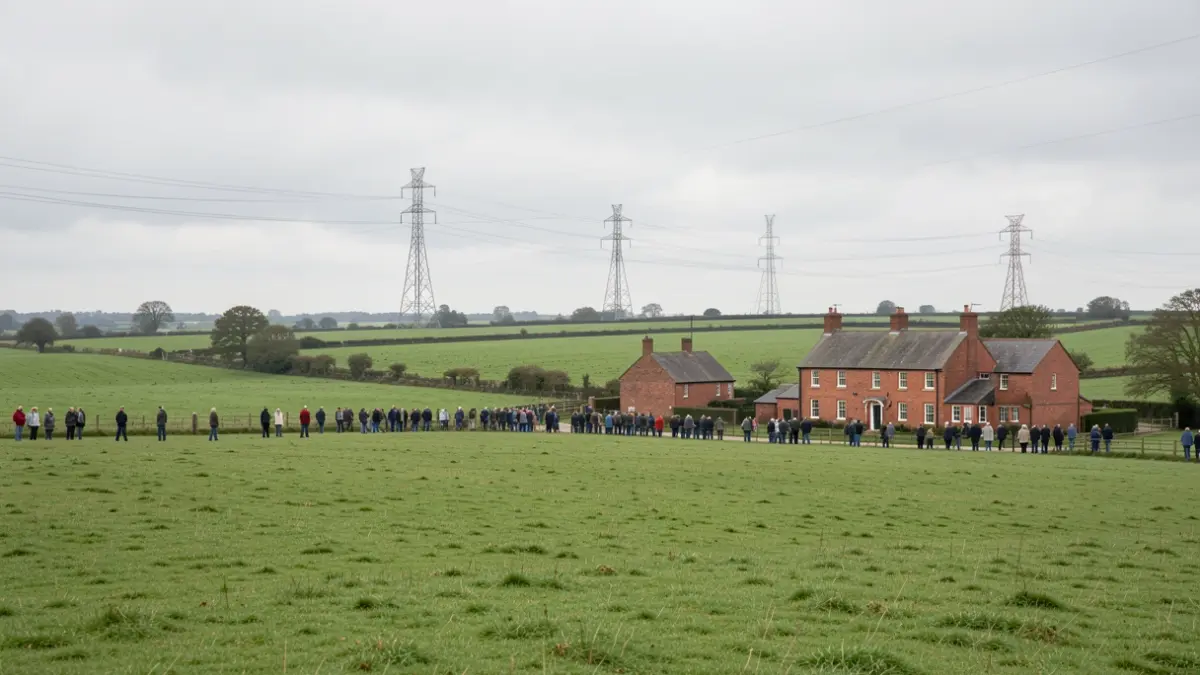
The council is questioning the need, timing, and impacts of the proposed infrastructure, which includes two new substations. National Grid claims the project will enhance energy movement across the region and improve electricity network reliability for homes, businesses, and public services.
However, Lincolnshire County Council has raised significant concerns regarding the delivery of the infrastructure and its potential effects on the county's communities, countryside, and economy. Cllr Sean Matthews, Leader of Lincolnshire County Council, stated that while energy security is important, National Grid should not receive a 'free pass' to install major infrastructure without proper justification.
Cllr Matthews added: "Our communities are once again being asked to take significant developments on their doorsteps without clear evidence that the proposals have been designed to minimise impacts and bring local benefits. So, we’re asking National Grid to justify the need for their proposals. Historically, these questions have largely gone unanswered, but that is simply not good enough for projects of this scale and impact."
The council also noted that National Grid had previously declined requests to review cost assumptions for a separate Grimsby to Walpole scheme. Without this information, the council finds it impossible to assess the need for the WMEL project and believes it is 'fundamentally flawed', calling for greater scrutiny.
While national policy supports investment in new electricity infrastructure, the council argues that National Grid has not sufficiently demonstrated why the new overhead line is required by 2033, whether alternatives have been explored, or how Lincolnshire's residents will benefit from infrastructure primarily designed to export power.
Cllr Danny Brookes, Executive Councillor for Environment and Planning, commented: “It’s really a question of whether the solution we’re being told to accept is the right one. The apparent reluctance to demonstrate why this proposal is needed only raises more questions and concerns about the project than we already have. It’s beginning to look like another proposal, in a long line of Nationally Significant Infrastructure Projects in Lincolnshire, being waved through a fast-track planning process while paying no more than lip service to the communities affected.”
Furthermore, the council expressed concerns about the potential impact on Lincolnshire's landscape and its productive farmland. It argues that National Grid has not fully considered the cumulative effect of multiple energy projects planned across the county, including substations, transmission routes, and solar developments, on landscapes, tourism, farming businesses, and residents.