Researchers from the Lincoln Institute for Rural and Coastal Health (LIRCH) have contributed to the Chief Medical Officer’s Annual Report 2026, highlighting that traditional health research approaches often fail to reflect the experiences of people living in rural areas. This can lead to gaps in the evidence used for healthcare decisions concerning these populations.
Their contribution, titled 'Health in Small Towns and Rural Areas', published on Wednesday 4 November, advocates for changes in the design, funding, and delivery of health research to ensure better representation. The chapter points out that research is frequently designed with urban populations in mind, and existing geographical classifications may not accurately capture the realities of rural life. This aligns with the Chief Medical Officer’s report, which notes that national statistics can obscure poverty, deprivation, and health inequalities in rural areas.
Challenges such as long travel distances, limited public transport, poor connectivity, and the financial cost of participation can hinder rural residents' involvement in research. Consequently, the evidence informing healthcare decisions may not fully represent the needs of those in rural and coastal communities. Concerns are also raised about research funding allocation, as current methods may not account for the increased costs of reaching individuals in remote locations.
Professor Mark Gussy, Director of LIRCH, stated, “When calculating the resources needed to run health research projects, the cost of including participants from rural communities can be greater than for those who live in more densely populated areas like cities and large towns. Researchers and funding organisations are trying to keep costs as low as possible and this is right and proper. However, leaving big chunks of the population out because they are more ‘expensive’ and harder to include is not good science, as it gives us evidence for only part of our population.”
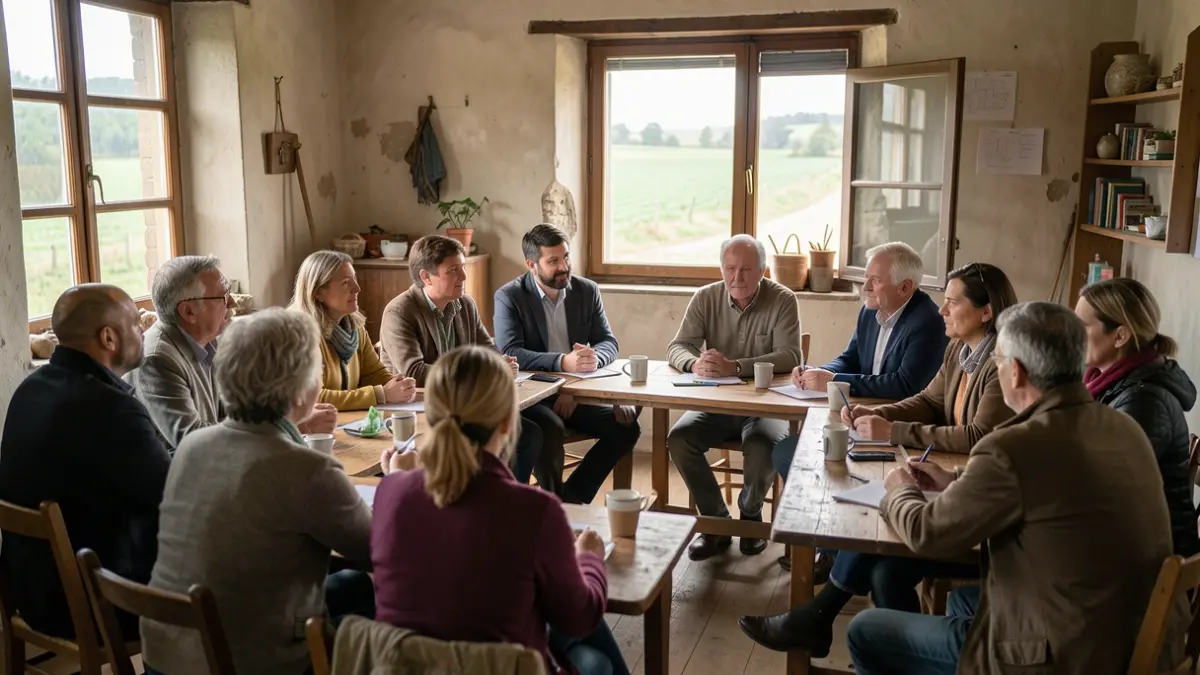
The researchers propose that rural residents should play a more active role in shaping health research, moving beyond simply participating in studies designed by others. Approaches like using community researchers, who possess valuable local knowledge and relationships, are being developed by LIRCH to strengthen connections between research teams and the communities they aim to reach. Recommendations also include more flexible study designs, allowing for local or remote participation where appropriate.
The chapter argues that rural communities should be recognised for their unique challenges, strengths, and experiences, rather than being treated as mere smaller versions of urban areas. This contribution is part of the Chief Medical Officer’s broader examination of health in England’s small towns and rural areas, underscoring the importance of involving these communities in research that shapes their healthcare.