
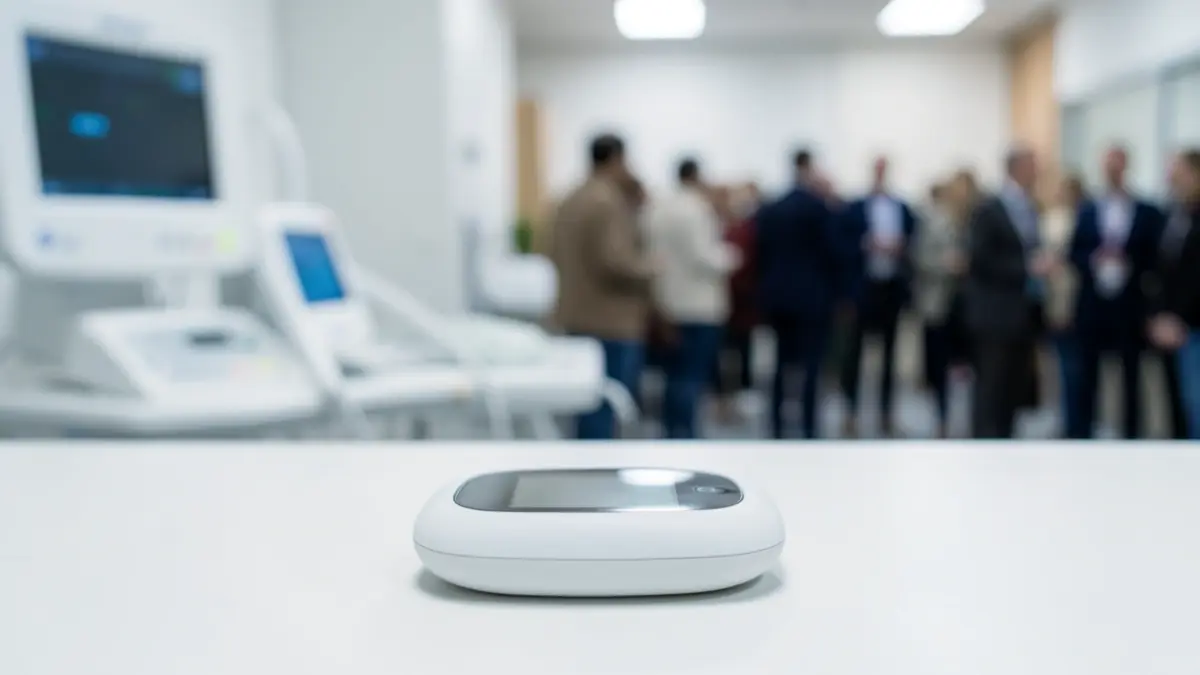
The Heart Centre at Northampton General Hospital has reached a significant milestone, having implanted over 300 cardiac monitors. These small devices, known as implantable loop recorders, are crucial for long-term heart rhythm monitoring to diagnose conditions.
Representatives from Boston Scientific, the global medical device manufacturers, visited the hospital on Friday, November 13, to present the team with a certificate of achievement and a celebratory cake. The LUX implantable loop recorders have been introduced since July 2023.
Kimberley Bruley, Heart Centre Manager, expressed her delight at the recognition for the Allied Health Professional-led service. She stated, "It was fantastic for our Allied Health Professional-led implantable loop recorder service to be recognised for their work. We have delivered a staggering 300+ implants since we started introducing Boston Scientific’s LUX implantable loop recorders in July 2023."
The implantation team consists of three nurses and one cardiac physiologist: Kimberley Bruley, Tara Kay, Hayley Hill, and Charlotte Drummond, supported by skilled cardiac physiologists and technicians. The device, implanted under local anaesthetic, continuously records ECG data for up to three years, aiding in the diagnosis of symptoms like fainting or palpitations.
Advanced Specialist Nurse Hayley Hill highlighted the collaborative effort between nursing and cardiac physiology teams, which has significantly improved the service, leading to reduced waiting times, quicker diagnoses, and enhanced patient experience. She noted, "The volume of recorders we have fitted over a relatively short time is a significant quality improvement. We have brought together two professions – cardiac physiology and nursing – and achieved an exceptionally high adoption and implant rate over the past two years for a district general hospital."
Jonathan Holton, UK Central Region Senior Account Manager from Boston Scientific, congratulated the team on their achievement. Patients can transmit data from the device via a smartphone app to a remote monitoring team, who review the ECGs for arrhythmias. The hospital also utilises other external devices before resorting to implantable recorders, which serve as a safety net for continuous monitoring.
Studies indicate that 20-27% of patients experiencing unexplained fainting who receive an implantable loop recorder may eventually require a permanent pacemaker.