
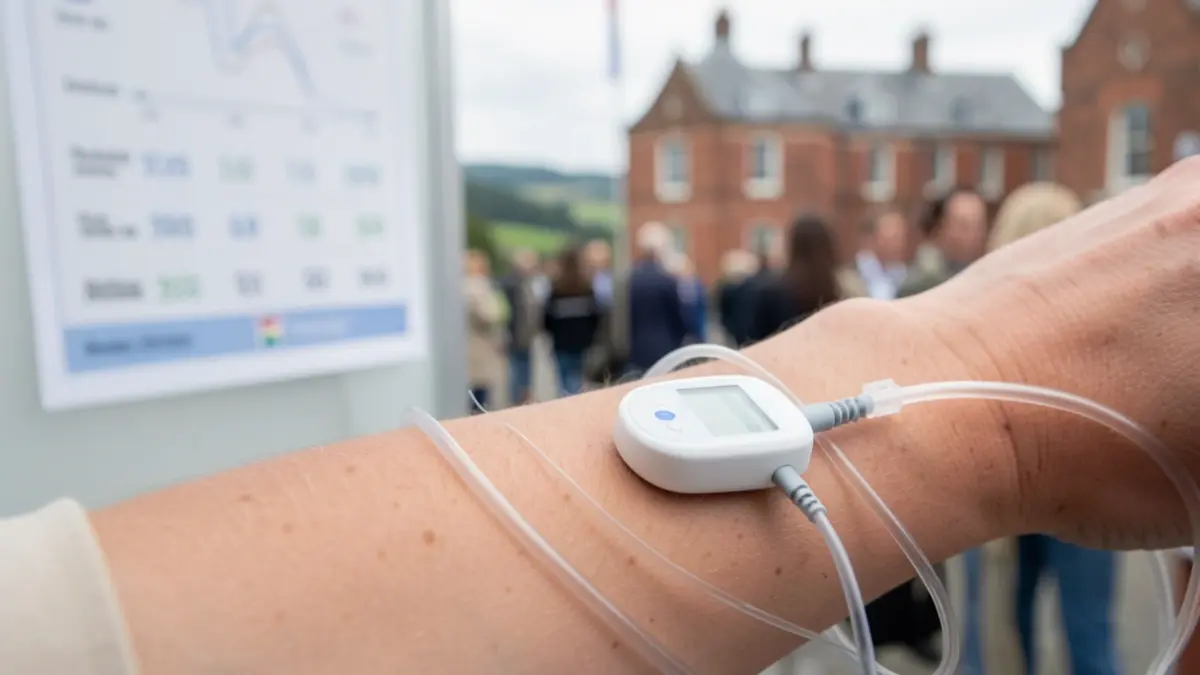
A new international Diabetes Data Rights Charter is calling for individuals living with diabetes to have significantly more control over the health data produced by their 24/7 diabetes monitoring devices. The charter, a result of an 18-month international collaboration, addresses the growing concern within digital healthcare regarding the ownership of data from smart medical devices.
Devices such as continuous glucose monitors (CGMs), insulin pumps, and automated insulin delivery systems generate vast amounts of highly personal health data. However, individuals with diabetes often face limited access to and control over how this data is collected, shared, and used by manufacturers. Professor of Law, Medicine, and Technology at the University of Birmingham, Muireann Quigley, a co-leader of the project, stated that while these devices improve quality of life, questions around data access and control remain complex. The Charter aims to set a new benchmark for best practice, promoting transparency and control for users.
The Charter is founded on five core principles: Data Access (real-time, safe, secure, usable data), Privacy and Security (private and secure storage and transfer), Benefits and Interests (prioritising the needs of those affected), Choice and Control (meaningful consent for data sharing), and Accountability and Transparency (clear practices for data collection, storage, and use). It also highlights concerns about 'bundled' or 'coerced' consent, where users must agree to extensive data-sharing to access device functions, potentially leading to critical features being disabled if consent is withdrawn.
Dr Shane O'Donnell, a Research Fellow at University College Dublin and co-lead on the Charter, who lives with diabetes, commented on incidents like Dexcom's app update, emphasising the intimate connection people have with data crucial for daily life-or-death decisions. He believes the Charter helps articulate these concerns and challenges the healthcare system to adopt better data practices. Tim Street, a type 1 diabetes patient and diabetes technology blogger, also highlighted the importance of regaining access to granular data, stating, 'I have rights over the health data generated by my body.'
The Charter's principles align with existing data governance frameworks like the EU and UK GDPR and US HIPAA, but it extends beyond current legal rights to establish standards of best practice. For more information, contact Ellie Hail, Communications Officer at the University of Birmingham.