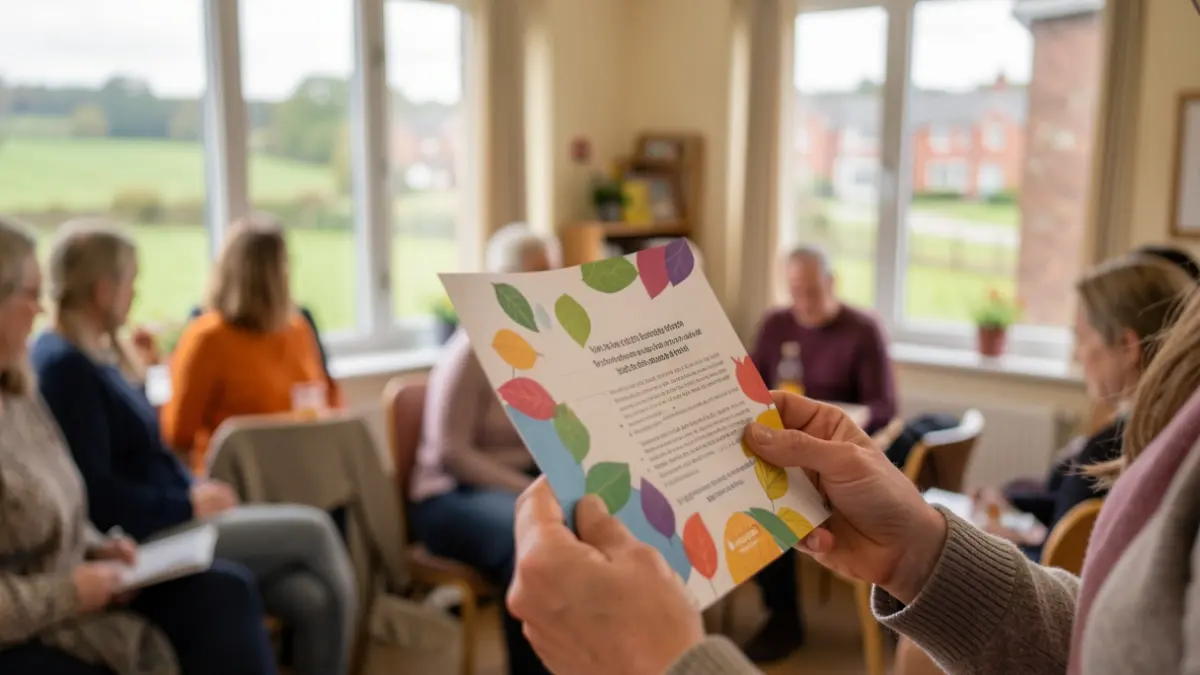

Following a successful initial visit last month, the hub will visit several locations, completing dozens of screenings at venues including All Saints Area Network, WV Active Central, and PureGym. The initiative aims to encourage more women to attend screening, with some attending for the first time after learning about its importance.
Cervical screening is offered to women aged 25 to 64 every five years. The test checks for the human papillomavirus (HPV), which can cause cell changes that may lead to cervical cancer if left untreated.
The Mobile Health Hub's schedule includes visits to Newhampton Arts Centre on Thursday 26 November (4-8pm), Shree Krishan Mandir, Penn Road, on Friday 27 November (4-8pm), the Church of the Good Shepherd, Second Avenue, Low Hill, on Saturday 28 November (10am-2pm), and WV Active Bilston-Bert Williams on Sunday 29 November (10am-2pm). No appointment is necessary.
Councillor Obaida Ahmed, the City of Wolverhampton Council’s Cabinet Member for Health, Wellbeing and Community, highlighted the importance of screening, stating: "Two women die every day from cervical cancer in England, yet it is one of the most preventable cancers – and attending screening can help prevent it before it starts, or enable earlier treatment."
Councillor Ahmed added: "Cervical screening rates in Wolverhampton remain below the national average, and this initiative is helping to remove barriers and make screening more accessible. The response to the first visit was extremely encouraging, with dozens of screenings completed and some women choosing to attend for the very first time. If you have missed your cervical screening appointment, or have been putting it off, I would encourage you to visit the Mobile Health Hub and take this important step to protect your health."
Ian Sharp, Black Country Integrated Care Board Medical Advisor, commented: “Cervical screening can help prevent cervical cancer, but we know that there are many reasons why people may delay or avoid screening. By bringing screening into communities, we hope to make it easier for more people to take that important step and protect themselves from cervical cancer.”
Routine cervical screening is also available through GP practices, and the council has worked with Primary Care Networks to increase evening and weekend appointment availability. Early-stage cervical cancer may not cause symptoms, but later stages can include unusual vaginal bleeding, changes in discharge, and pelvic pain. For more information, visit the NHS website.