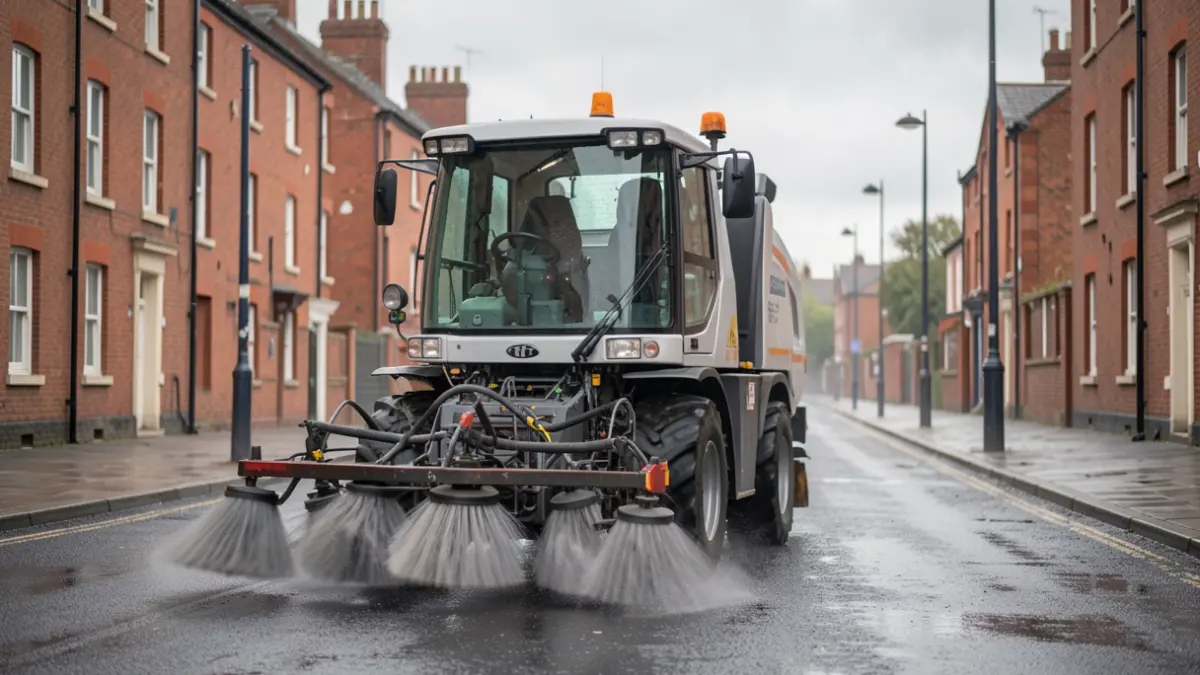
The planned investment, which will go before the council's cabinet for approval next week, aims to reduce the risk of blocked gullies, surface water issues, and slippery surfaces for pedestrians and motorists. The new specialist vehicle and driver will supplement the council's existing fleet, focusing on priority areas where leaf fall is heaviest and has the greatest impact.
Councillor Bhupinder Gakhal, Cabinet Member for City Transport, stated: "Keeping Wolverhampton clean, safe and moving is a year-round job, but the autumn leaf fall period brings additional challenges for our teams. This new dedicated road sweeper and driver will strengthen our resilience and give us extra capacity to keep roads, pavements and gullies clear at the locations that need it most."
Councillor Qaiser Azeem, Cabinet Member for Resident Services, added: "The investment builds on the fantastic work already carried out every day by our street cleansing teams, who work tirelessly across the city responding to residents' concerns, maintaining our streets and helping to prevent problems. By investing in additional equipment and resources, we can respond more effectively, particularly during the busiest periods and help keep our neighbourhoods and key routes looking their best."
Wolverhampton is home to over 500,000 trees, presenting a significant annual task for the council in clearing leaves from public land. Between November and December alone, street cleansing and gully tanker teams collect approximately 300 tonnes of fallen leaves, equivalent to about 25 double-decker buses. Throughout the entire year, council teams remove around 4,000 tonnes of litter and leaves from the city's streets.
This dedicated sweeper is part of a broader street cleansing operation, which includes staff working daily across the city to cleanse streets, sweep gullies, and maintain hedges and verges. The council utilises street tree data, gully sensors, and customer enquiries to target resources effectively. Specialist gully tankers with powerful vacuum and jetting equipment assist in removing leaves and debris, while the Urban Traffic Control team monitors the highway network to direct teams to areas needing attention during busy periods.
Residents are reminded that while the council is responsible for clearing leaves from public land, leaves on private property remain the responsibility of the landowner.