
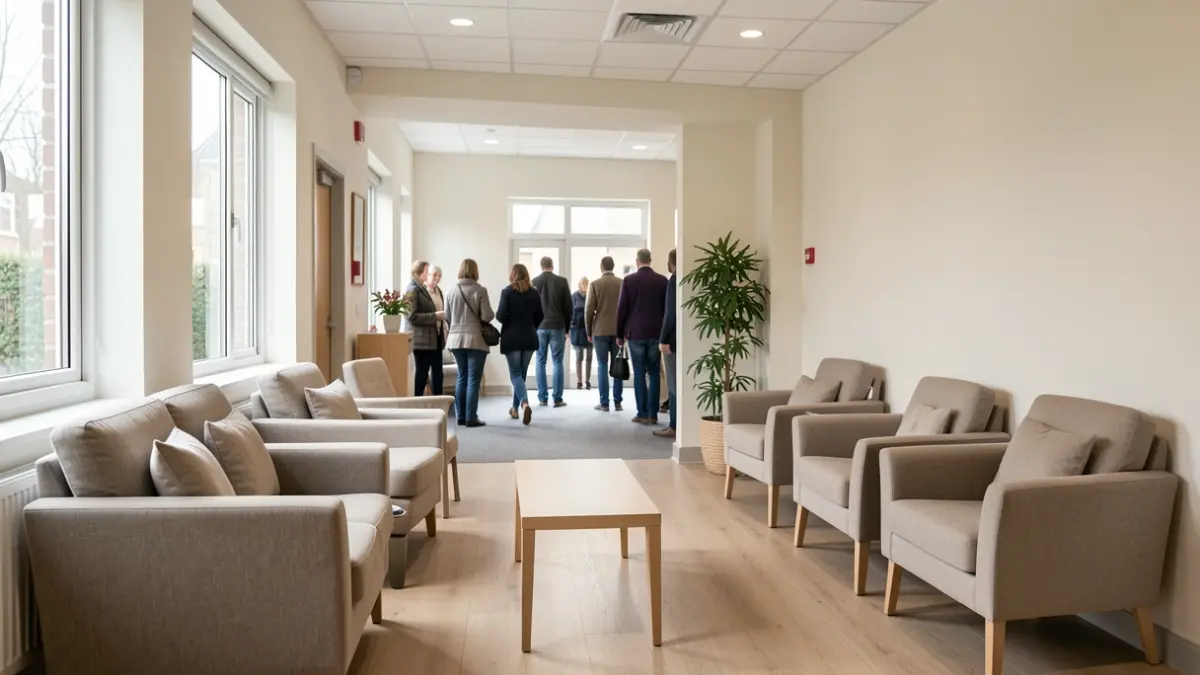
The Community IV Therapy service, working alongside the Outpatient Parenteral Antimicrobial Therapy (OPAT) team, supports people who need medicines intravenously but do not require hospital admission. Previously limited to home visits, the service is now rolling out additional clinics at community venues to increase accessibility.
Lincoln Community Diagnostic Centre (CDC) is the first venue to host these new clinics, which are operational seven days a week. Mark Lincoln (49), from Welton, was among the first patients to use the service at the CDC. Following surgery for a bone infection in his hand, he required IV antibiotics. Initially hospitalised in Derby, he found the daily need for antibiotics disruptive to his recovery at home. The community team's offer to attend a clinic instead of daily home visits proved beneficial.
"It’s been great," said Mark. "I was given an appointment time and wasn’t kept waiting. As soon as I had finished, I could get on with my day. Having this new clinic should hopefully help enable more patients to access this service, which is better for us patients and will help with bed pressures in hospitals."
Patients may require IV therapy for several weeks or months. Delivering care through community clinics allows more people to be treated, facilitating quicker hospital discharges and preventing admissions. This initiative aligns with Lincolnshire’s clinical strategy and the national NHS 10 Year Plan, bringing services closer to home as part of the Hospital at Home programme.
Holly Cook, Clinical Service Lead, stated: "The start of clinics at Lincoln CDC marks a significant step forward in the expansion of IV therapy services in the community. We want patients to have a positive experience and we know we can improve this by helping them to remain independent but safely supported and monitored throughout the duration of their treatment closer to home. The clinics allow patients to make an appointment at a convenient time which works for them, around their daily routines, so they don’t have to wait in all day to be seen. By delivering care from a single location for patients who are able to attend, it will also save a considerable amount of travel time for clinical staff, and they can dedicate that time helping more patients."