
The Mayor of the East Midlands has welcomed proposals to empower communities with a greater say over how water companies invest in their areas. These new regional water councils will unite local leaders, customers, and businesses to define priorities for water and flood infrastructure investment, amounting to billions of pounds.
Currently, decisions regarding the water system are made nationally, despite varying local challenges. The government states that the new councils will rectify this by providing communities and local leaders with a more influential voice on issues such as sewage and water quality, flood protection, drought management, and future water supplies. Additionally, Mayors will be granted enhanced powers through the strengthened Water Bill to ensure water companies are held accountable for their performance.
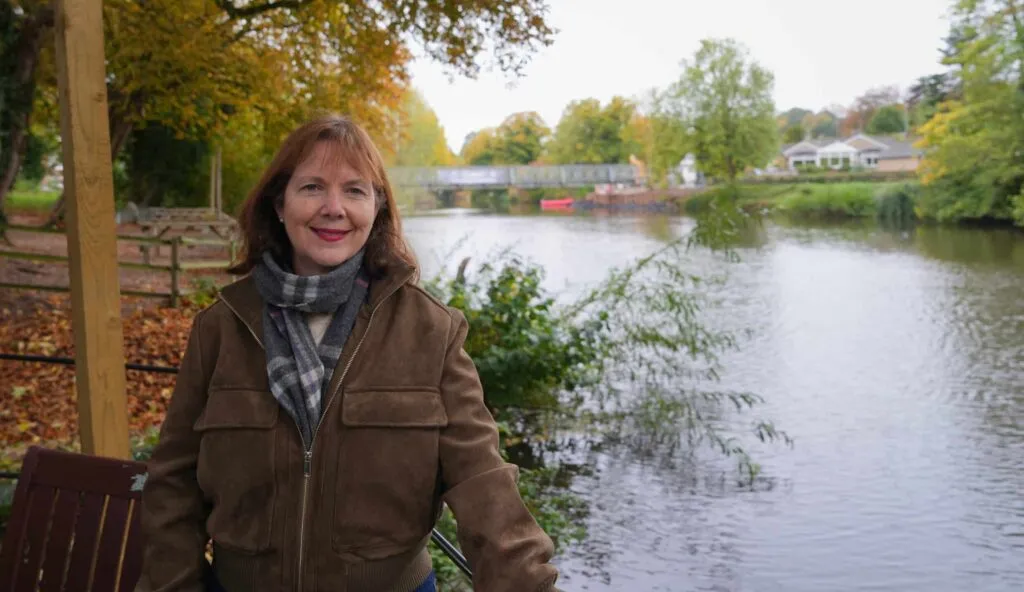
Mayor Claire Ward emphasised the fundamental importance of water to communities, the environment, and the economy, stating, “decisions about our water should reflect the needs of the people and places they affect.” She added that giving Mayors and communities a stronger voice will drive improvements in river cleanliness, resilience to flooding and drought, and necessary investment for regional growth.
These reforms are part of a broader government initiative to decentralise power from Westminster and grant communities more control over essential services and investments. Prime Minister Andy Burnham acknowledged public frustration with current water management, particularly sewage pollution and distant decision-making. He stated that for the first time, local people will have a direct influence on their water company's priorities, from cleaning up rivers to protecting homes from floods.
Local leaders are expected to submit proposals for running these new bodies by the end of the year. Each council will then develop a plan outlining regional water system pressures, necessary choices, and the public and private investment required to address them.
Environment Secretary Dame Angela Eagle expressed determination to place the public at the centre of decision-making, ensuring bill spending directly benefits communities. She highlighted the creation of a 'radical new water system' prioritising public interest.
Matthew Browne, head of public affairs at The Wildlife Trusts, commented that community involvement in water management could significantly improve river health. He noted that empowering local leaders and stakeholders is crucial for the comprehensive action needed to restore water systems, benefiting communities, nature, and the economy.
Mark Lloyd, chief executive officer of The Rivers Trust, welcomed the government's recognition of the need for a region-wide systems planning approach to water management and expressed anticipation for collaboration with local leaders.