
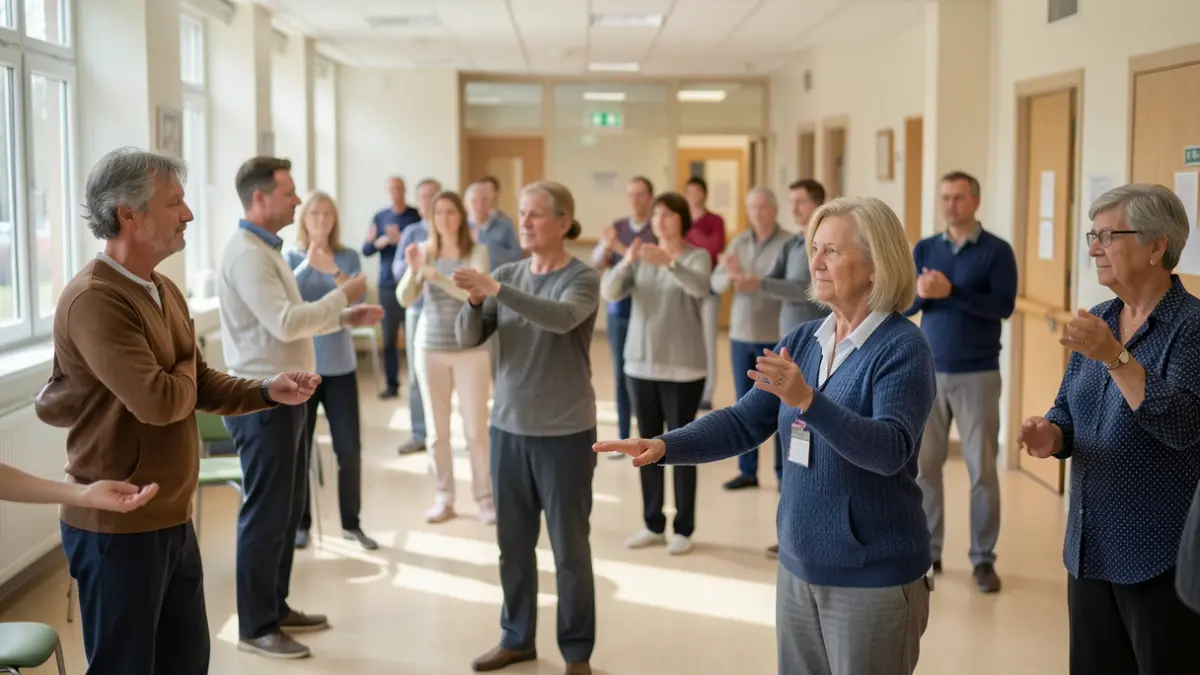
In a dedicated area within the outpatients' facility at Moseley Hall Hospital, colleagues Gary Phelps, George Linton, and Jim Davis are regularly leading Tai Chi sessions for service users. Originating in China as a martial art, Tai Chi involves a series of slow, coordinated movements of the hands, feet, body, mind, and breath, and is now practiced globally.
Occupational therapy fundamentally aims to enable individuals to engage in meaningful activities and occupations, even when facing physical, cognitive, or mental limitations. Tai Chi has gained popularity in this field due to its promotion of gentle exercise.
The physical benefits reported include improved balance, a reduced risk of falls, enhanced flexibility, a greater range of motion, and gradual muscle strengthening.
Beyond the physical advantages, the sessions also contribute to mental well-being. Service users have experienced reduced stress and anxiety, improved mood and confidence, and enhanced cognitive function as a result of participating in Tai Chi.