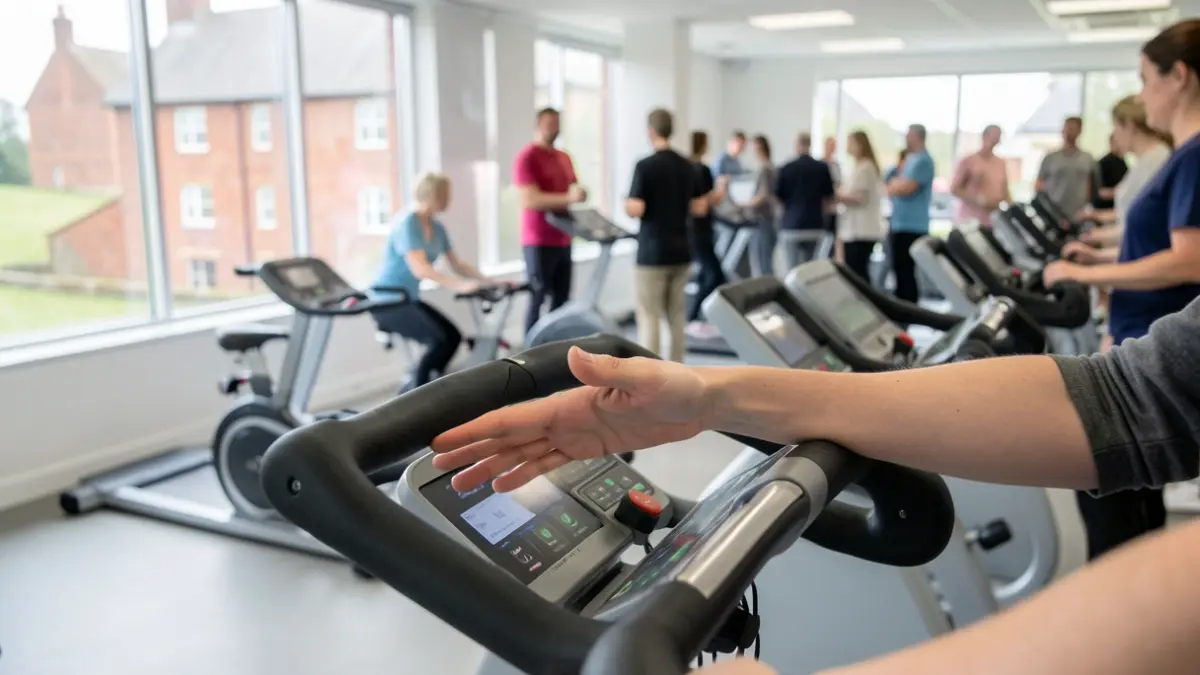
The Open Gym project, running weekdays on the Stroke Rehabilitation Unit (SRU), offers patients flexible and independent access to therapy equipment. Supported by therapists and family members, the initiative has already added hundreds of extra rehabilitation hours monthly for patients at University Hospitals of Derby and Burton (UHDB) NHS Foundation Trust.
Developed in response to national guidance advocating for more intensive rehabilitation, the programme aims to keep patients active throughout the day. Rachel Sadler, Clinical Team Lead Physiotherapist, explained the goal was to give patients more opportunities to practise and move, fostering the confidence and independence needed for returning home.
Unlike traditional therapy groups, the Open Gym empowers patients with choice and control over their rehabilitation activities. Laura Hulton, Clinical Lead Occupational Therapist, highlighted that the approach encourages patients to become active participants, viewing recovery as a 24/7 process. This self-management focus often leads to positive outcomes.
The initiative also fosters a holistic approach, creating a supportive environment where patients can encourage one another and share experiences. Family members are encouraged to attend, aiding their understanding and support of rehabilitation exercises. Rachel Sadler noted the value patients place on peer support and the positive impact on confidence, wellbeing, and mood.
Early data indicates a significant increase in rehabilitation activity, with over 100 additional hours recorded in February and March compared to pre-Open Gym periods. Therapists have observed increased patient motivation to stay active outside scheduled sessions.
Patient testimonials highlight the programme's effectiveness. Julie, a patient, described the sessions as 'excellent' and noted visible progress, including standing up for the first time and regaining leg movement. She also emphasised the inspiration drawn from seeing former patients share their recovery stories.
Marion, attending for two and a half weeks, found the sessions helped rebuild confidence, stating, 'It’s given me a lot of confidence and made me feel better about my recovery.' She added that being around others who understand the experience is inspiring.
The team measures success by the difference made to patients' lives. Laura Hulton stated, 'The Open Gym gives people the opportunity to do something for themselves, work towards their goals and see the progress they are making.' Rachel Sadler added that seeing patients return daily due to perceived benefits was exactly what they hoped to achieve.
Building on this success, Rachel Sadler and Jan Jolly, Clinical Specialist Physiotherapist, will present on the Open Gym initiative at the UK Stroke Forum in December 2026, a multidisciplinary conference for stroke professionals.