“"Housing growth cannot be considered in isolation from the services and infrastructure that growing communities need. New homes bring new residents, and that inevitably has implications for local healthcare provision. The difficulty we are highlighting is that healthcare pressures do not always arise neatly from one development at a time. Several developments within a town may collectively create a need for additional healthcare capacity, even though no single development would justify that investment on its own. We fully recognise the importance of the safeguards governing Section 106 contributions and we are not asking for those safeguards to be removed. What we are asking for is greater clarity about how the cumulative effects of planned housing growth can be recognised and how proportionate contributions can support the healthcare infrastructure those communities will need. This is particularly important as the NHS develops more neighbourhood and community-based models of care. Healthcare infrastructure is no longer simply a choice between a GP surgery and a hospital. It can involve extending, refurbishing, repurposing or sharing facilities so that services are provided closer to people's homes. We hope Government will look carefully at the questions we have raised and work with local authorities and the NHS to develop a clearer and more consistent approach. Ultimately, our objective is straightforward: where substantial housing growth is planned, the healthcare infrastructure needed to support that growth should be planned alongside it."
Lincolnshire Health Scrutiny Calls for Clarity on Developer Contributions for Healthcare
Committee urges government to clarify planning rules to ensure healthcare infrastructure keeps pace with housing growth across the county.
By Aisha Mahmood
••4 min read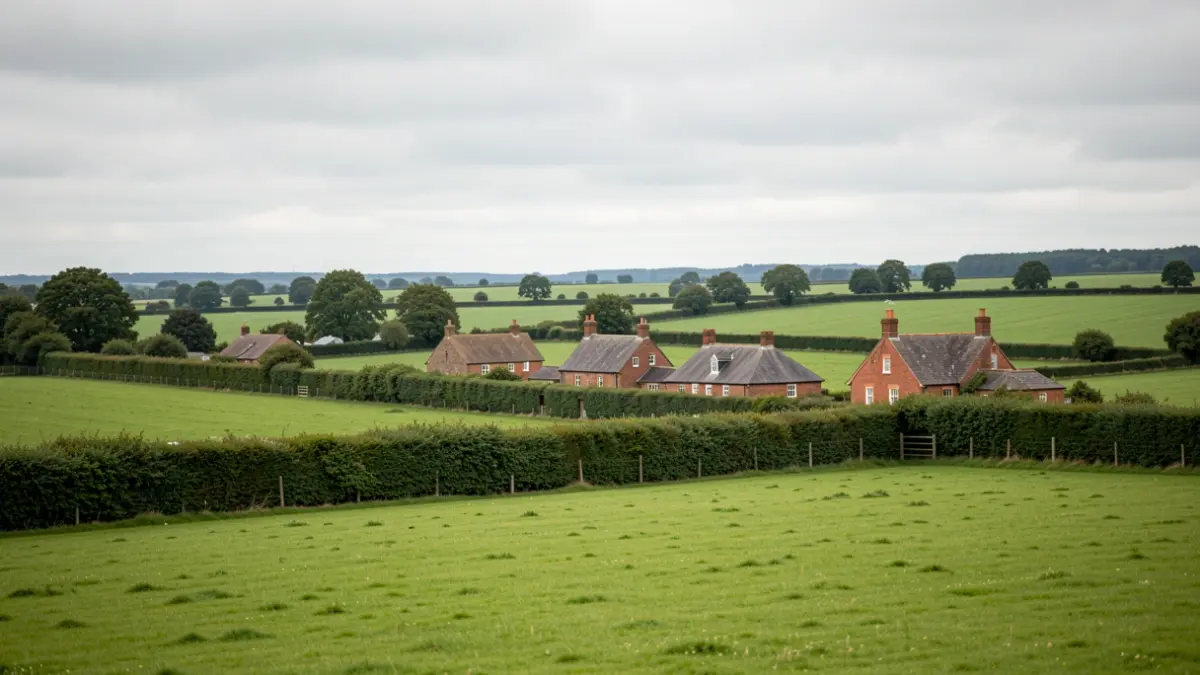
AI
Generic image of rolling green countryside in Lincolnshire, UK, with scattered red-brick farmhouses and hedgerows under a temperate, overcast sky.
The Health Scrutiny Committee for Lincolnshire has urged the Government to provide greater clarity on how developer contributions can support vital healthcare infrastructure needed to accommodate growing communities.
The Committee has formally written to the Government following its review of the pressures that population changes and planned housing expansion are placing on NHS services and infrastructure within Lincolnshire. This representation stems from the Committee's consideration of NHS planning in response to demographic shifts, discussed at its meeting on 1 July 2026.
Lincolnshire faces distinct challenges, including an ageing population, increased frailty, long-term health conditions, health inequalities, and the county's predominantly rural nature. Compounding these existing pressures, significant planned housing growth is anticipated to generate additional demand across primary, community, neighbourhood, urgent, emergency, and acute healthcare services.
A core concern for the Committee relates to Section 106 planning obligations, which can require developers to contribute towards infrastructure necessitated by development. The Committee is seeking clarification from the Government on how the planning framework can acknowledge the cumulative impact of housing growth, particularly when the combined effect of multiple developments creates a clear need for additional healthcare capacity, even if no single development would independently justify a major infrastructure project.
This issue is considered particularly significant for Lincolnshire due to the distribution of its population. The Committee's letter points out that nine of the county's ten largest settlements have populations ranging from 18,000 to 48,000. Local Plan housing allocations for many of these settlements appear substantial enough to necessitate a significant enhancement in locally available secondary and urgent care services.
The Committee's concern extends beyond individual housing developments, focusing instead on ensuring that the collective impact of planned growth across a community is adequately considered in long-term healthcare infrastructure planning.
The Committee has requested the Government to consider seven key areas, including: how cumulative healthcare infrastructure requirements associated with planned housing growth can be identified and addressed while individual Section 106 obligations continue to satisfy statutory tests; what evidence and methodology should be used to demonstrate the relationship between residential development and additional demand for different types of healthcare infrastructure; how Section 106 and the Community Infrastructure Levy should work together where infrastructure responds to the combined effects of several developments; when contributions might support new, extended, refurbished, repurposed or shared premises delivering NHS-funded services; whether directly related infrastructure such as access or parking can be supported where necessary to mitigate development-related demand; whether national guidance should be reviewed to reflect changing neighbourhood and community-based models of healthcare; and whether the Government will collaborate with NHS bodies, local planning authorities, and local government to develop a more consistent national approach.
The Committee has offered to provide Lincolnshire-specific evidence for any future Government review or policy development initiatives.
Based on information from the official source: Lincolnshire County Council (22/10/2026)