Parkinson's Pilot Programme Shows Positive Results in Nottinghamshire
A 10-week exercise initiative by Nottinghamshire Healthcare has led to significant improvements in patients' confidence, mobility, and a notable reduction in falls.
By Aisha Mahmood
••3 min read
AI
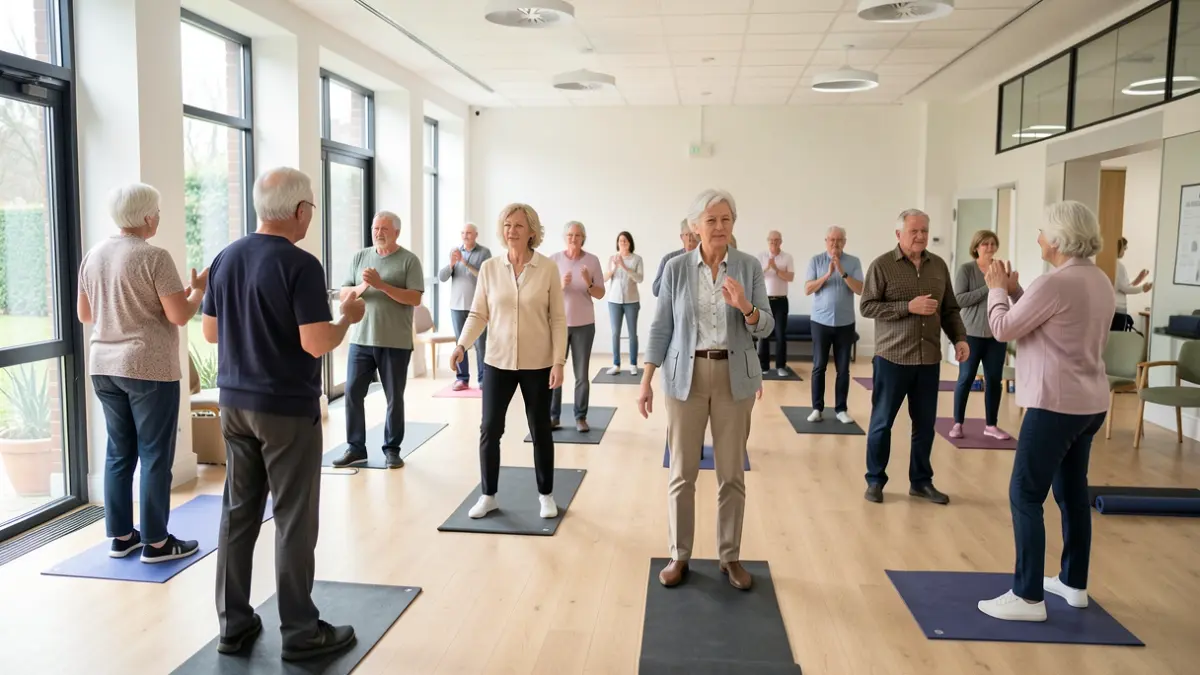
Generic image of a physiotherapy exercise class for older adults in a community hall.
A pioneering 10-week pilot exercise programme for people living with Parkinson's disease, delivered by Nottinghamshire Healthcare NHS Foundation Trust, has yielded encouraging early results, including a significant reduction in falls and improvements in patients' quality of life.
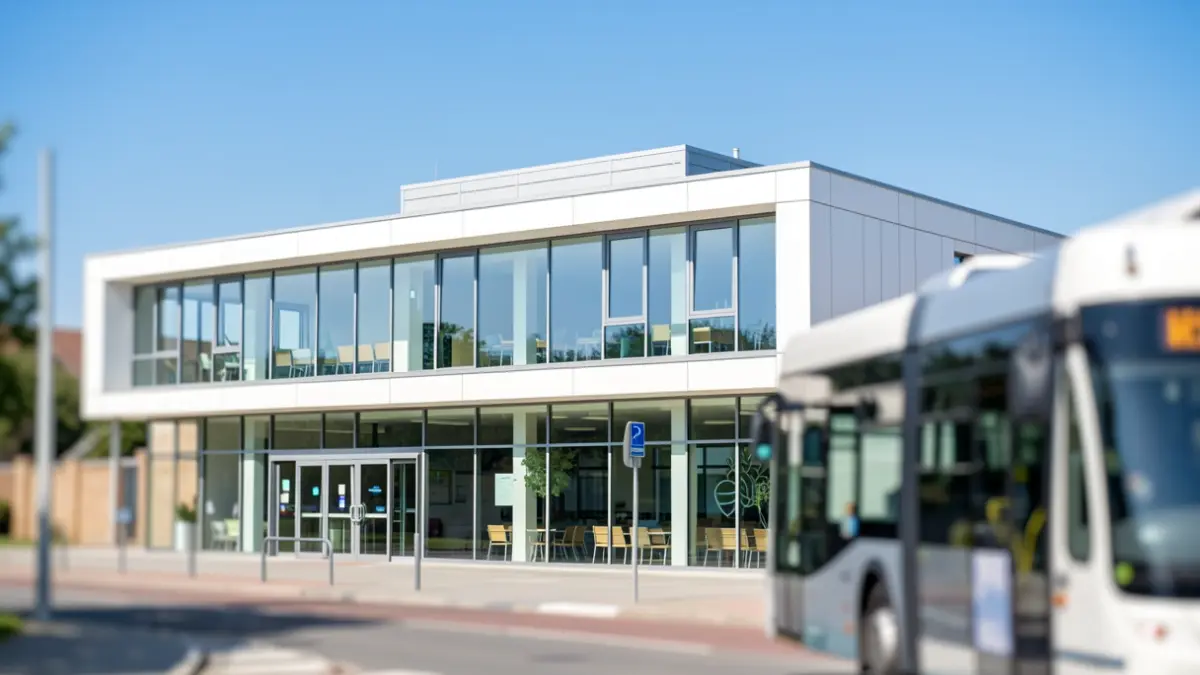
The programme, held at Park House Health and Social Care Centre in Carlton, focused on targeted group physiotherapy sessions to help patients manage Parkinson's symptoms, maintain safety, and remain active and independent. Weekly two-hour sessions aimed to enhance flexibility, strength, balance, and coordination, key factors in reducing fall risks.
Early evaluations indicate a remarkable 87.5% reduction in reported falls, decreasing from 24 incidents in 2025 to just three in 2026. Furthermore, 100% of participants reported meaningful balance improvements, with all participants noting enhanced quality of life. Eighty percent experienced faster walking speeds and improved mobility, and four out of five reported greater independence in daily activities.
“
"The results so far have been extremely encouraging. We've seen improvements not only in balance, mobility and coordination, but also in confidence, independence and overall quality of life. Most importantly, we've seen a significant reduction in falls, which was one of the key objectives of the pilot."
The pilot, funded through the Trust's Innovation Pitch initiative, enabled the engagement of a trained therapist. Patients reported practical benefits such as walking more confidently in public, returning to gardening independently, improved speech, and completing personal care activities without assistance. Only one fall was recorded during the 10-week programme, attributed to environmental factors.
“
"It's been wonderful to see the progress patients have made. Patients have embraced the exercises, and the feedback has been incredibly positive. Patients are telling us they feel more confident, more independent and able to do things they hadn't been able to do for some time. Seeing those improvements has been very rewarding."
Frances, a participant diagnosed with Parkinson's, shared her experience: "Halfway through the programme, I realised the classes were making a real difference. I feel 100% better, and the improvement in my walking and physical confidence has been remarkable." Frances also noted improved mood, wellbeing, and confidence in social situations.
“
"The outcomes from this pilot have been extremely encouraging and demonstrate the difference that early intervention, specialist support and evidence-based exercise can make for people living with Parkinson's."
The pilot programme is currently being evaluated to inform future service development. While referrals are not yet being accepted, the team hopes to expand the service based on the final evaluation results and funding availability.