The county council has made significant financial savings of over £1 million by implementing projects focused on reducing environmental impact, lowering energy use, and improving resource efficiency. A progress report on the council’s Environmental Action Plan for the current financial year highlights how innovation and smarter working practices are contributing to environmental protection while also cutting costs and enhancing services.
Transformations in home-to-school transport have led to a reduction in single-occupancy taxi journeys, an increase in shared transport, and greater utilisation of bus services. These measures have resulted in savings of approximately £1 million compared to previous years, even while supporting around 500 more pupils daily. The objective to decrease single-occupancy taxi journeys has already been surpassed this year.
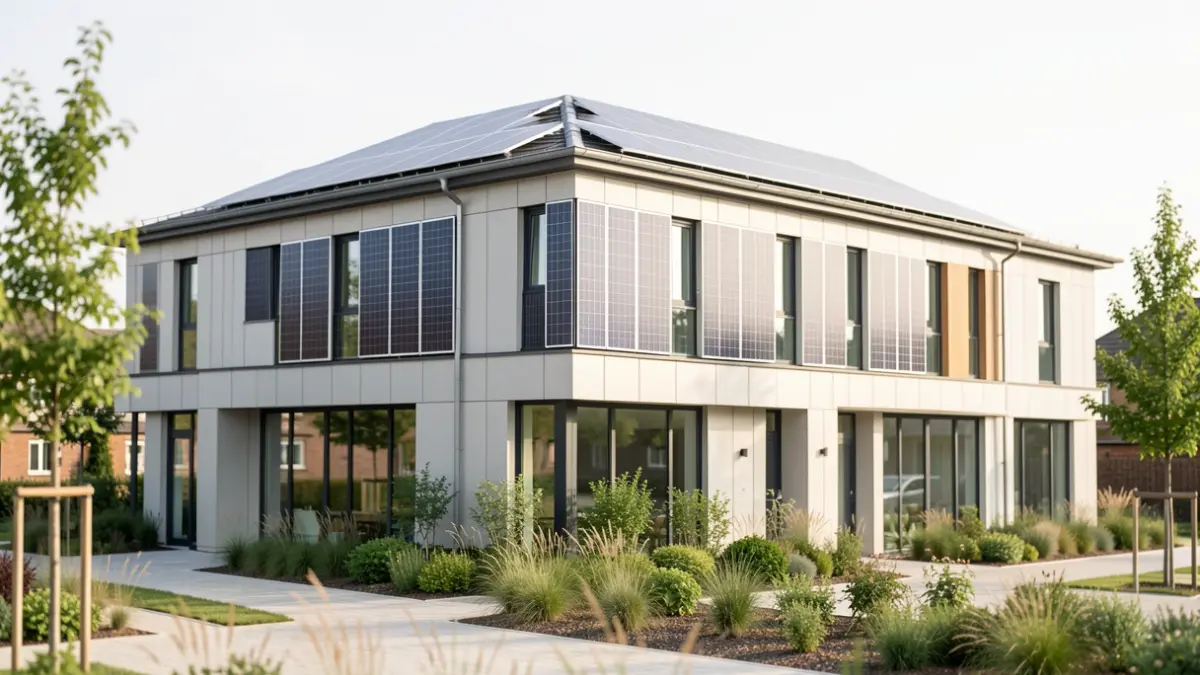
Continued investment in modern infrastructure has driven down energy costs. Upgrades to street lighting and traffic signals have reduced energy bills by nearly £300,000 in the last financial year. Furthermore, solar energy schemes are being expanded, with new installations at Perton and Wombourne libraries, and further projects planned for council buildings and maintained schools.
A new highways adaptation modelling project is utilising data to pinpoint sections of the road network most susceptible to flooding, heat, and severe weather, thereby supporting more effective future investment decisions. Concurrently, a new countywide heat risk mapping project will assist councils and their partners in better understanding the areas where rising temperatures may have the most significant impact on communities and public services.
Waste minimisation initiatives are also proving effective. Through the Rescue Me reuse scheme, over 500 tonnes of household items have been reused, saving the council £83,000 in waste disposal costs and generating broader benefits for charities and local residents. Additional funding from DEFRA has been secured to enhance the monitoring of reuse activities at household waste recycling centres.
The report also details a range of other achievements, including flood resilience projects developed in collaboration with local communities, support for businesses to improve their resource efficiency, and initiatives aimed at helping schools and colleges develop the skills necessary for future growth.
“"Staffordshire’s environment plays a vital role in supporting the health, wellbeing and prosperity of our residents, communities and businesses. This report shows what an extensive amount of work our teams are doing to improve efficiencies and cut energy costs. By embracing innovation and finding smarter ways of working, we can protect and enhance our county. From cleaner energy and more efficient transport to resilience projects and waste reduction initiatives, we are delivering real benefits for taxpayers in Staffordshire."
Progress on the Environmental Action Plan will be reviewed at a scrutiny meeting scheduled for 22 October.