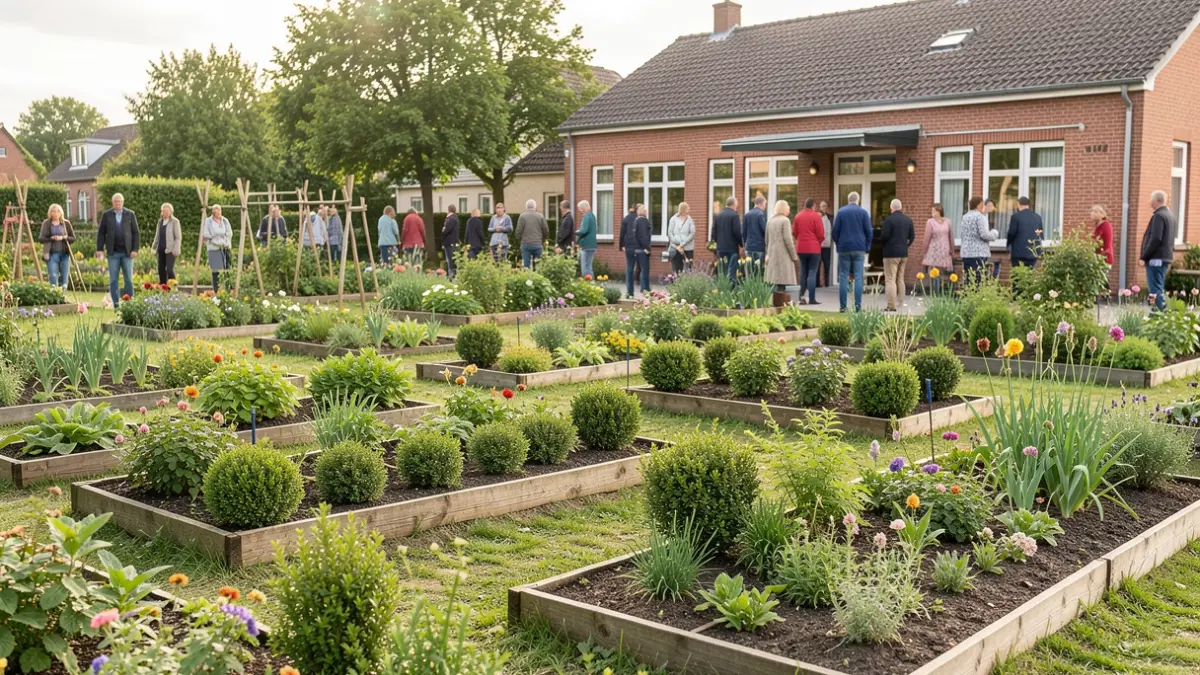
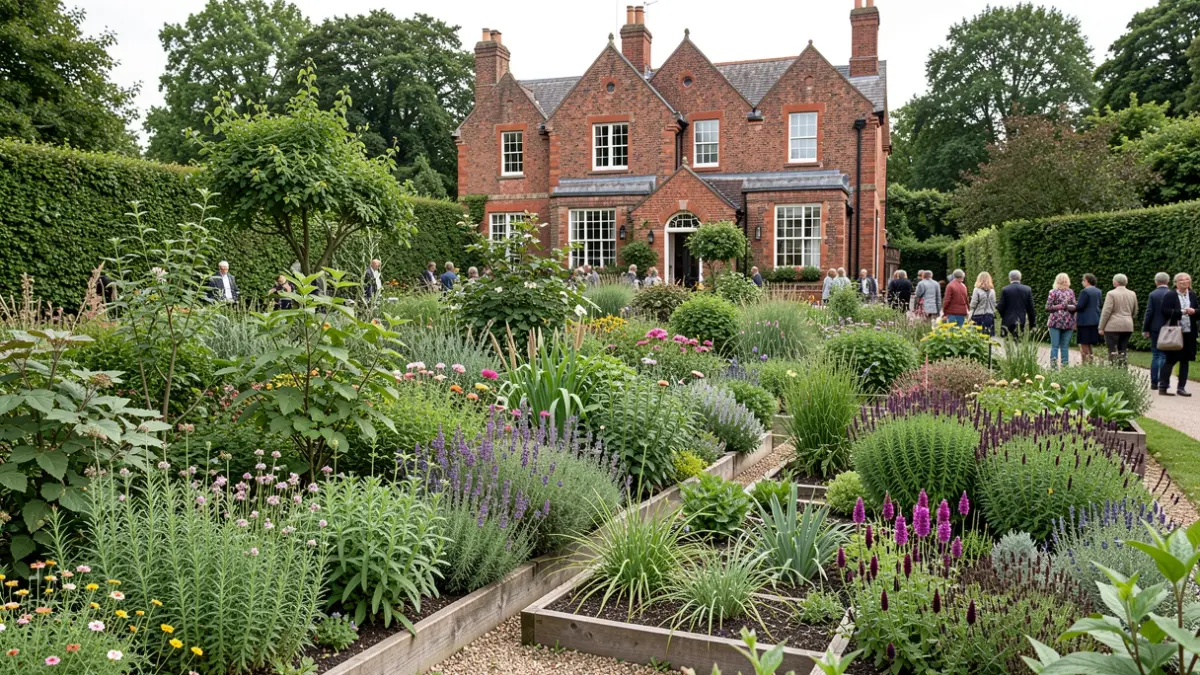
The new garden, inspired by 17th-century Physic Gardens where medicinal plants were grown for remedies, is the culmination of a year-long design initiative. It involved students and staff from BCU's Architecture, Jewellery, Fashion, and Textiles departments working alongside the Gardens' horticulture and engagement teams.
Caroline Raybould, Senior Lecturer in Fashion Business and Promotion at BCU, highlighted the unique opportunity for students to engage with plants as both a historical resource and a creative tool. She noted that the dye bed, in particular, will enable students to explore natural colour production and sustainable textile processes.
The design concept originated from a Design Challenge last year, where BCU staff and students envisioned a modern Physic Garden, drawing inspiration from the Grade-II listed Teulon Cottage on the Gardens' grounds. Birmingham-based designer makers, Dual Works, brought the design to life.
Volunteers from the university have been instrumental in the garden's installation, planting the first medicinal, herbal, and dye plants. Head Gardener Bethan Collerton expressed excitement about the garden's potential to connect visitors with the historical uses of plants for healing, nourishment, and creativity.
Collerton added, "Working alongside Birmingham City University has brought an abundance of insight and fresh ideas to the project, and we’re excited to see the garden develop into a space that is both educational and inspiring."
Traditionally, Physic Gardens grouped plants by their medicinal uses. This practice remains relevant today, as plants are still integral to some modern medicines, particularly for treating pain and infectious diseases.
Jen Ridding, Head of Engagement and Learning at Birmingham Botanical Gardens, emphasised the project's success in collaborating with local, independent, and collaborative makers and BCU colleagues. She stated, "The green spaces of the Gardens are an inspirational creative space in the region which provide unique, interdisciplinary learning and research opportunities for the staff and students at Birmingham City University."
This Physic Garden initiative is part of a broader partnership between BCU and Birmingham Botanical Gardens, encompassing joint events, research, and sustainability projects aimed at benefiting the wider city.